A Search for Dignity
and Freedom
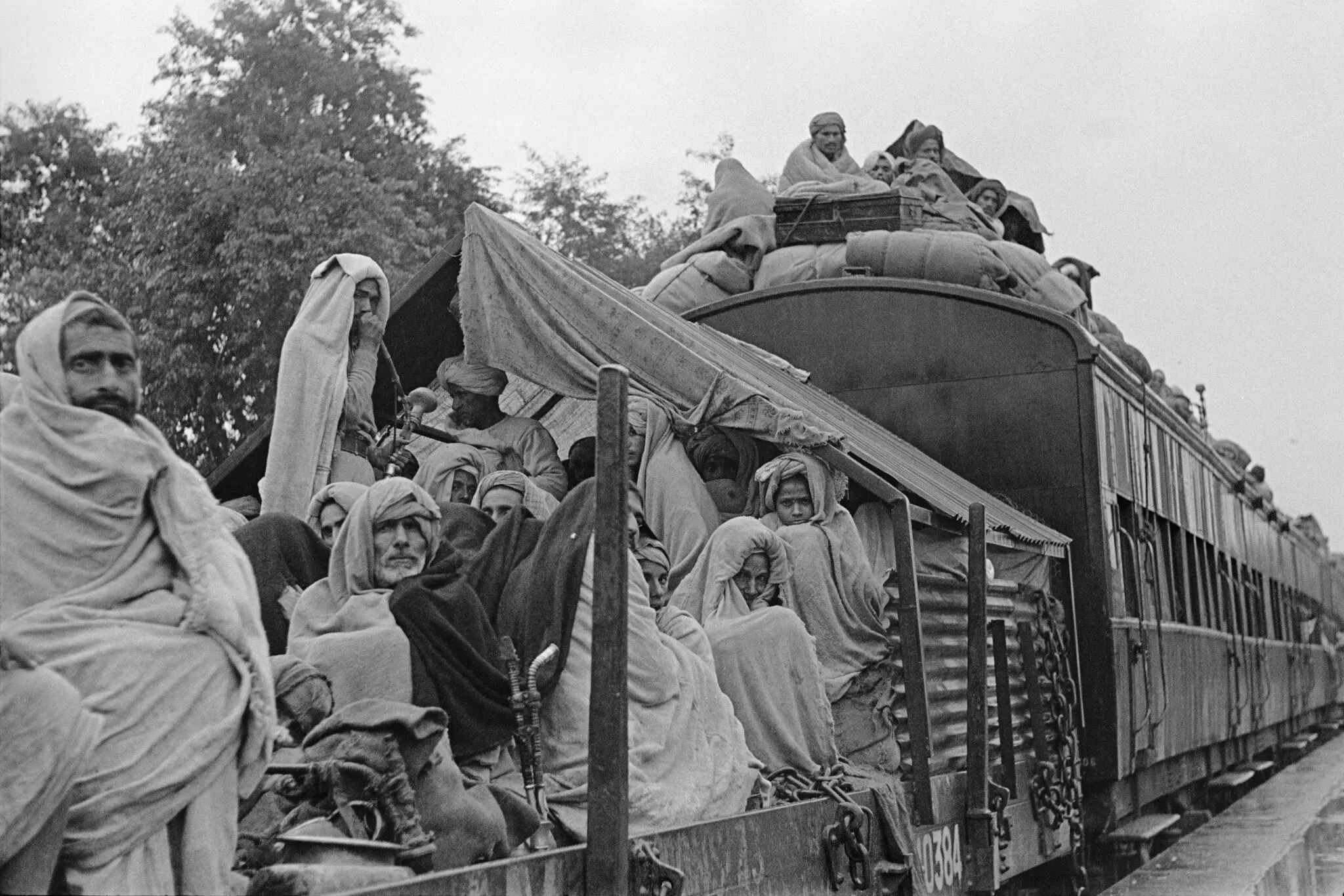
For several decades, Hindu families from different regions of present-day Pakistan have migrated to India seeking security, dignity, and freedom from religious discrimination. While large-scale migration began during the upheaval of the 1947 Partition, continued waves over the years—driven by localized persecution, forced conversions, social marginalization, and repeated threats to life and property—have pushed many families to leave their ancestral homes. Most arrive with minimal resources and limited documentation, making them exceptionally vulnerable from the moment they cross the border.
The Partition of 1947 triggered one of the largest human migrations in global history, displacing millions. Subsequent events, including the 1971 Indo-Pakistan conflict, reinforced long-standing insecurities for minority communities. Over time, many Hindu families who chose to stay in Pakistan faced increasing social and economic pressures, resulting in gradual but continuous migrations into India over the last several decades.
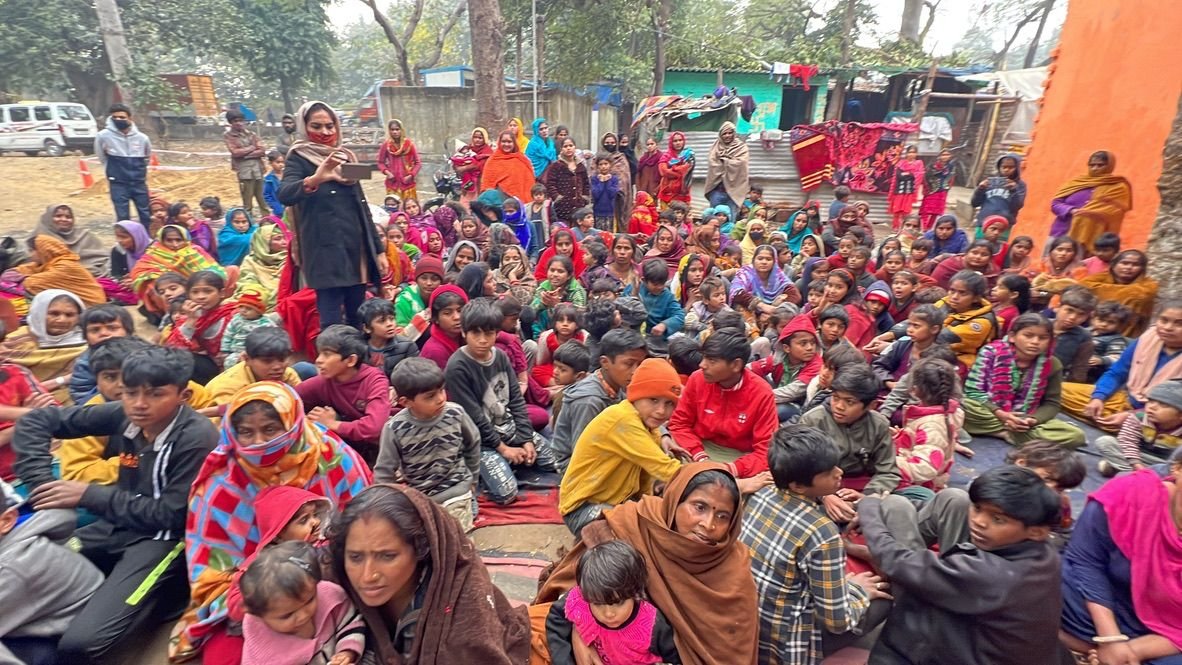
In the past decade, new refugee arrivals—from regions such as Sindh, Balochistan, and southern Punjab—have continued at regular intervals. Many of these families report religiously motivated harassment, threats, and systemic discrimination that restrict their ability to live safely and freely. Upon reaching India, they typically settle in informal camps like Majnu Ka Tila and Signature Bridge in Delhi, or in temporary clusters across Rajasthan. These settlements often lack basic infrastructure, leaving families without stable shelter, clean water, sanitation, or formal access to education and healthcare. As of 2025, arrivals continue, keeping the situation fluid and the humanitarian need constant.
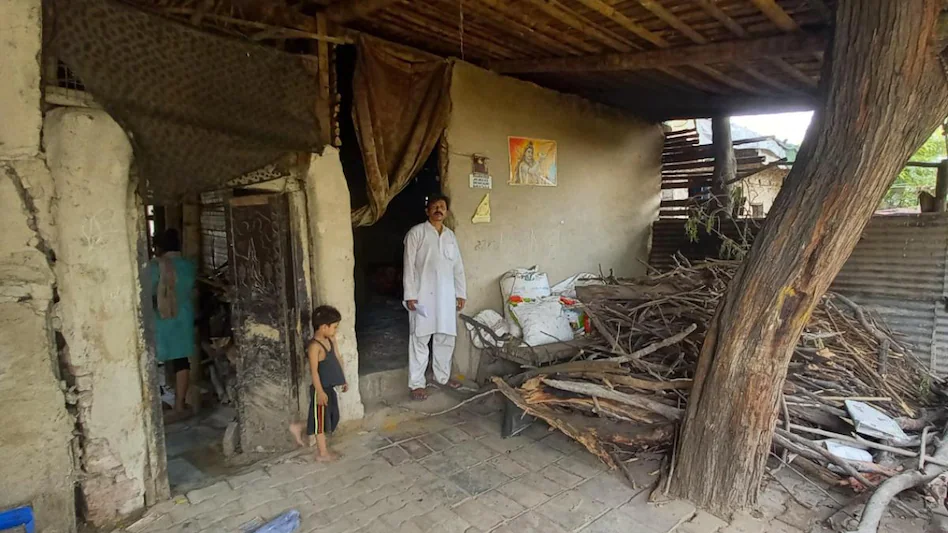
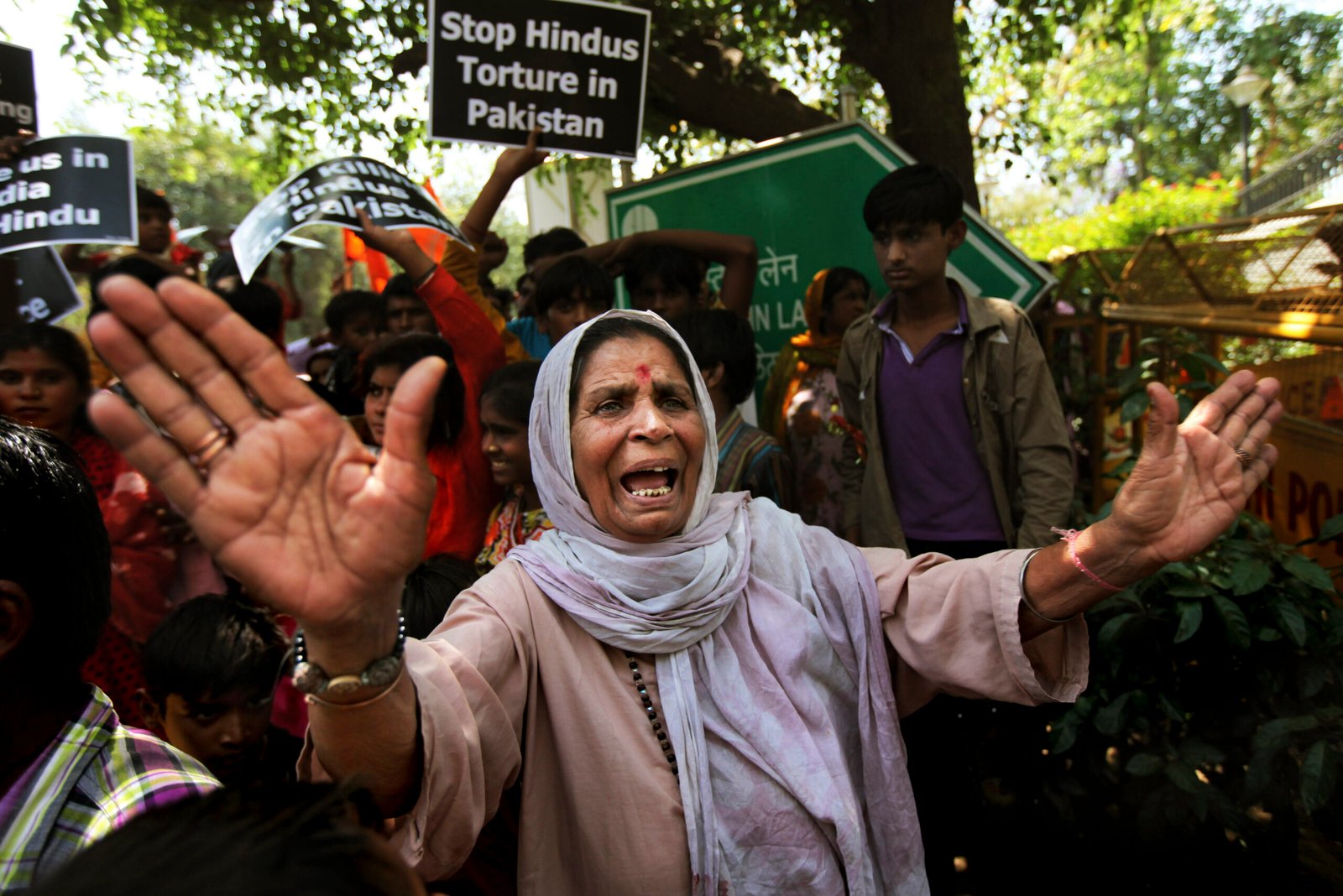
India does not have a single, codified refugee law and is not a signatory to the 1951 UN Refugee Convention or the 1967 Protocol. Refugee matters are therefore handled through administrative practices, state-level mechanisms, and humanitarian discretion. This creates gaps in documentation, recognition, and access to welfare schemes.
The Citizenship Amendment Act (CAA), 2019, and its implementation rules notified in 2024, offer a potential legal pathway to Indian citizenship for Hindu, Sikh, Christian, Buddhist, Jain, and Parsi migrants from Pakistan, Afghanistan, and Bangladesh who entered India before 31 December 2014.
While the Act provides a framework for long-term residence and citizenship, many refugee families still require assistance in navigating documentation processes, ensuring educational continuity for children, securing livelihoods, and addressing immediate humanitarian needs until their legal status is fully regularized.
Pakistani Hindu refugees Commonly Face a Combination of Challenges

Lack of valid identity documents, limiting access to schools, hospitals, and essential services

Temporary or unsafe housing, vulnerable to eviction, floods, or demolition

Interrupted education, compounded by language barriers and years spent outside the school system

Psychosocial distress, especially among children and women who have experienced trauma

Severe livelihood insecurity, forcing families into low-paid informal work
Sharnarthi Seva Prakalp
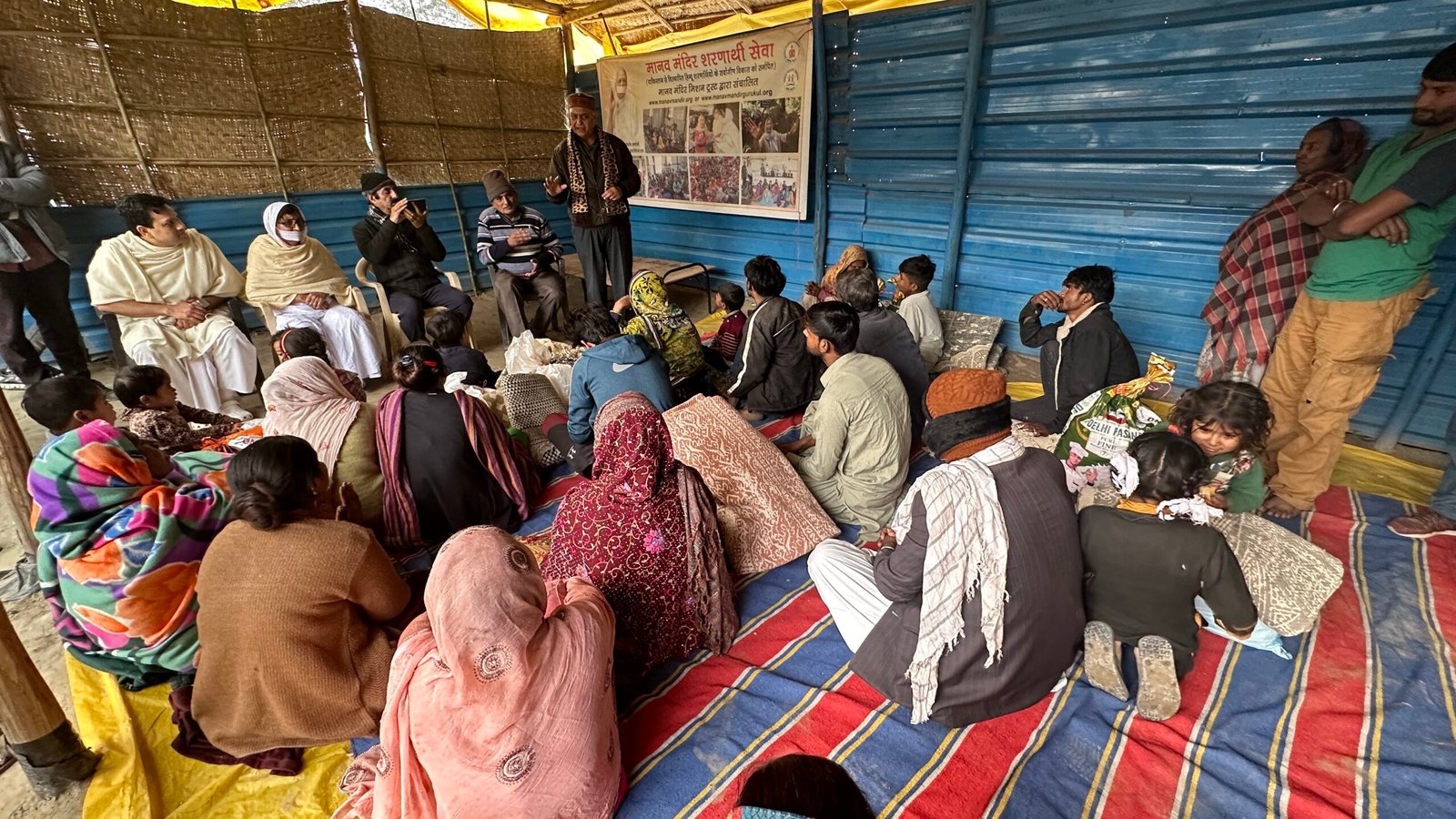
These vulnerabilities have been repeatedly documented by humanitarian organisations, media reports, and field assessments, showing the urgent need for structured support systems.
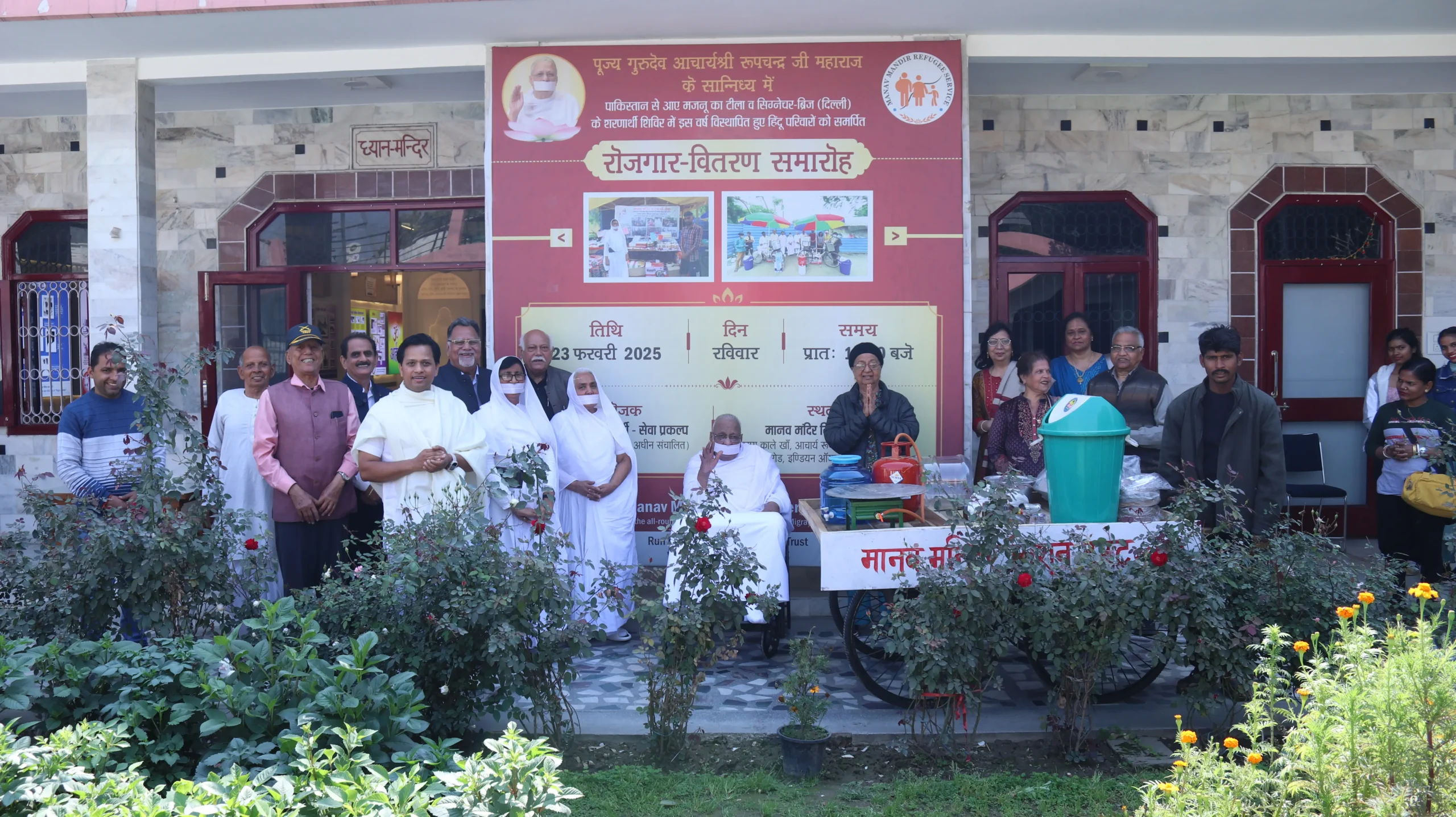
It is within this complex humanitarian and legal landscape—marked by insecurity, limited institutional support, and ongoing arrivals—that the Manav Mandir Mission Trust launched the Sharnarthi Seva Prakalp. The initiative was created to fill the critical gaps in education, healthcare, shelter, documentation support, and dignified livelihood opportunities for Pakistani Hindu refugees. SSP functions as a bridge between vulnerability and stability, enabling refugee families to move toward rehabilitation, empowerment, and eventual mainstreaming.